Trying to choose between Post Falls and Coeur d’Alene? You are not alone. Both offer the North Idaho lifestyle you’re after, yet the day-to-day feel and housing options differ in ways that matter. In this guide, you’ll get a clear, side-by-side understanding of neighborhoods, home types, commutes, schools, costs, recreation, and what to expect if you buy or sell in each city. Let’s dive in.
Big-picture differences
Post Falls and Coeur d’Alene sit along Interstate 90 in Kootenai County, minutes apart and tied closely to the Spokane–Coeur d’Alene metro. According to the 2020 U.S. Census, Post Falls had about 38,485 residents while Coeur d’Alene had about 54,628. Both have grown in recent years, driven by in‑migration, remote work, and retirement moves.
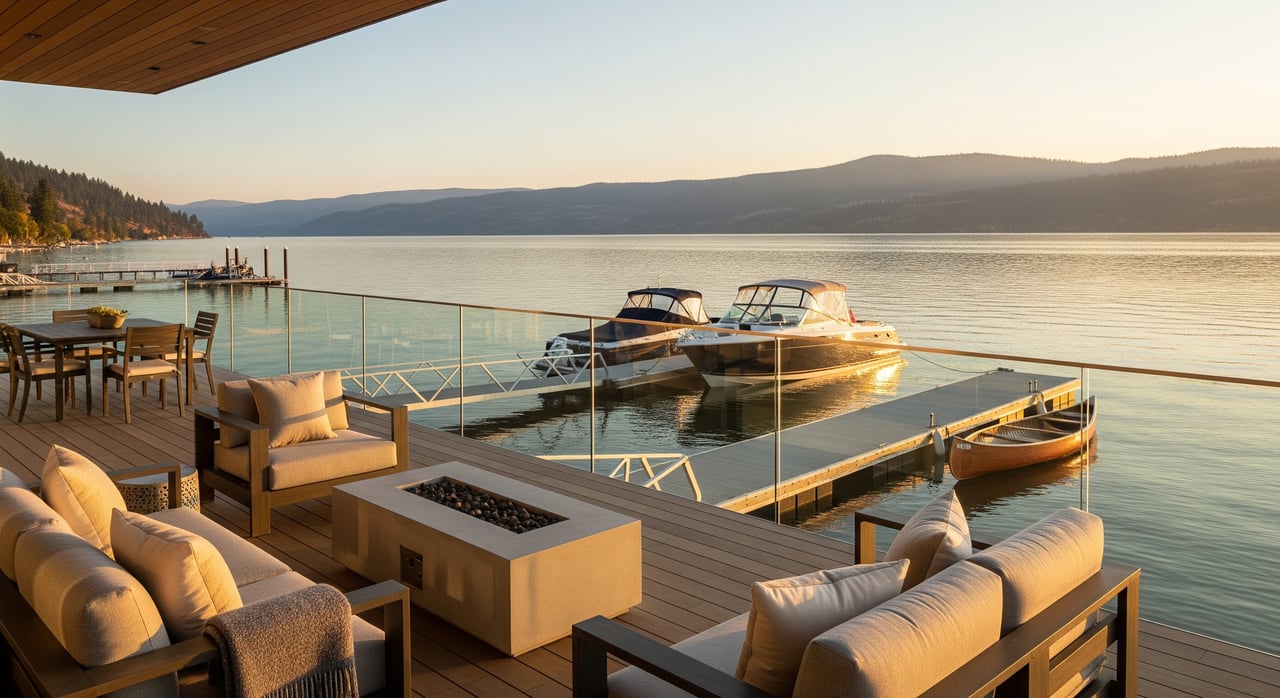
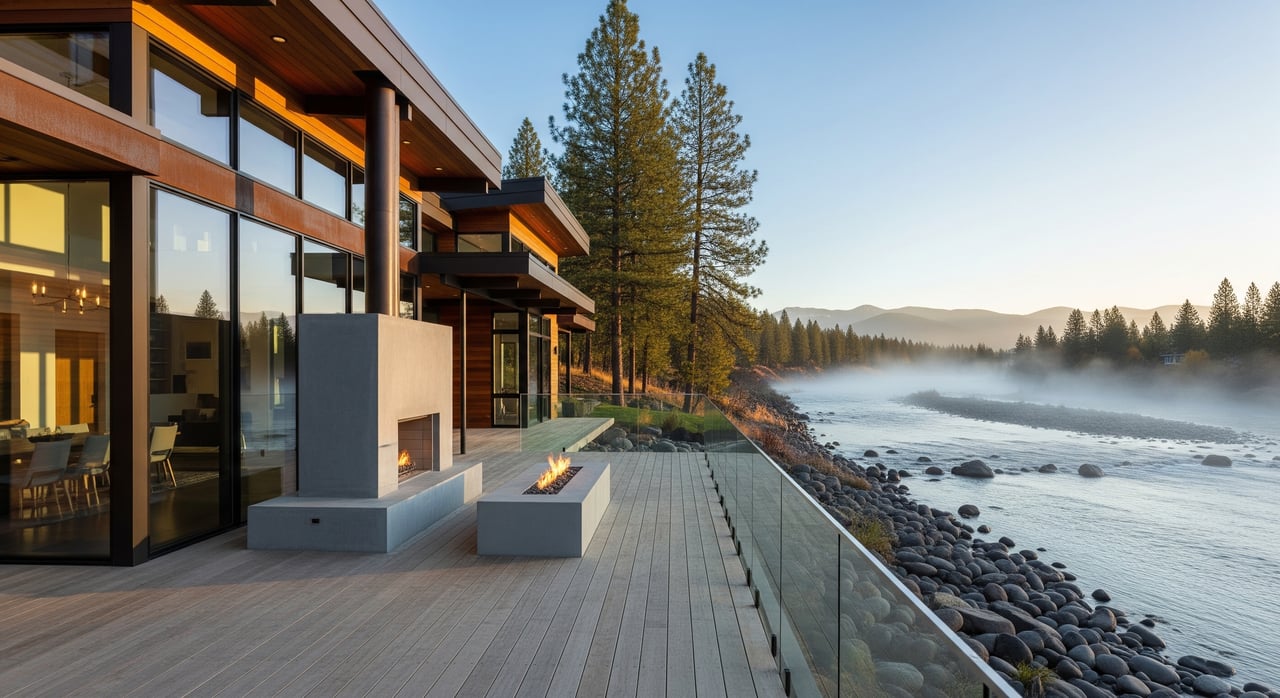
Coeur d’Alene centers on Lake Coeur d’Alene, a walkable downtown, and a strong tourism identity. You get restaurants, events, and lake access that shape daily life. Post Falls feels more suburban with steady residential and commercial growth, newer subdivisions, and special pockets along the Spokane River, including Falls Park and the evolving River District.
Housing and affordability
In general, Coeur d’Alene commands a price premium, especially for lakefront, near-downtown, or historically desirable neighborhoods. Post Falls tends to offer more new construction and, in many cases, larger lots and more square footage for the money compared to similar options in CDA.
- Coeur d’Alene: a mix of established neighborhoods, waterfront condos, and homes that attract vacation and second-home interest. Seasonality can influence activity in lake-focused areas.
- Post Falls: a higher share of single-family subdivisions, townhomes, and new-build communities that appeal to families and commuters.
If you are buying, ask for current median prices and days on market by neighborhood. Lakefront properties are priced and marketed differently than standard residential homes, so plan your strategy accordingly. If you are selling, factor in your competition: CDA sellers may see out-of-area and seasonal demand, while Post Falls sellers should watch nearby new-build inventory and absorption trends.
Neighborhoods and lifestyle
Coeur d’Alene vibe
Downtown CDA is walkable with shops, dining, and events. Lake access and boating shape the lifestyle, and the amenity mix is dense near the water. Nightlife and event calendars are more extensive than in Post Falls.
Post Falls vibe
Post Falls leans residential and family-focused. You’ll see newer retail centers, parks, and growing mixed-use areas along the Spokane River. The pace is a touch quieter with quick access to both Coeur d’Alene and Spokane.
Growth and land use
Post Falls has seen heavier greenfield development and annexations, which means more active subdivision activity. Coeur d’Alene is growing too, with more emphasis on preserving lakefront character and meeting design standards in sensitive areas.
Schools and family considerations
Each city is served by its own public school district, and attendance boundaries can cross city lines in places. Program offerings, enrollment, and waitlists can change as the area grows. If schools are a priority for you, compare district profiles and official report cards, and confirm the assigned schools for the exact address you’re considering. Private and early childhood options exist in both cities, though availability can be seasonal and waitlists are possible.
Commute and transportation
Interstate 90 runs through both cities, providing direct access east to Coeur d’Alene and west to Spokane. Post Falls is geographically closer to Spokane, which can be helpful if your job, shopping, or airport usage leans that direction. Local and regional transit options connect parts of Kootenai County to Spokane; check current routes and schedules if you are planning a bus-based commute.
Trails are part of daily life in both cities. CDA’s waterfront trails and parks are concentrated near the lake. Post Falls features riverfront linear parks and expanding trail connections through newer neighborhoods.
Cost of living, taxes, and utilities
Idaho has a state income tax and a state sales tax. Property taxes are assessed at the county level in Kootenai County. Your specific tax liability depends on household income and each property’s assessed value, so it is smart to get a property tax estimate during due diligence.
Utility costs vary by address and provider. Expect a mix of municipal and district services for water, sewer, and waste. Broadband coverage ranges from cable and DSL to widening fiber availability. Ask for recent utility statements where possible and confirm available internet speeds for the exact home.
Jobs and healthcare
The regional economy includes healthcare, retail and warehousing, education, and a growing base of remote workers. Many residents commute within the Spokane–North Idaho area. Kootenai Health in Coeur d’Alene is the primary regional medical center, and both cities offer urgent care and specialty providers.
Recreation and environment
If you want active waterfront living, Coeur d’Alene’s lake culture is a central draw, along with dining, events, and nearby attractions like Silverwood Theme Park. In Post Falls, Falls Park and the Spokane River deliver fishing, paddling, and relaxed green spaces, with fast access to CDA and Spokane amenities.
North Idaho has four distinct seasons, with warm summers and cold, sometimes snowy winters. Wildfire smoke can affect air quality in late summer or early fall, and some river-adjacent properties may fall within FEMA-designated flood zones. For any home you are serious about, check local hazard maps, insurance requirements, and inspection items specific to the property.
Permits, HOAs, and new construction
Both cities operate their own planning and building departments. Post Falls often has more active subdivision approvals and annexation activity. Coeur d’Alene focuses on design controls for lakefront and established areas. If you are buying new construction, request impact fee schedules and permit timelines. In Post Falls, HOAs are common in newer subdivisions; CDA has HOAs in certain waterfront and planned communities. Always review covenants, fees, and rules before you commit.
Which city fits you?
Consider these quick indicators to narrow your search:
- Choose Coeur d’Alene if you value walkable downtown amenities, events, and lake access, and are willing to pay a premium for proximity to the water.
- Choose Post Falls if you prefer newer subdivisions, potentially larger lots or more square footage for your budget, and easier access to Spokane for work or travel.
- Still unsure? Tour both on a weekday and a weekend during peak season. Pay attention to traffic, parking, noise, and how the area feels at different times of day.
Buyer checklist: Post Falls vs. Coeur d’Alene
- Verify current market data for your target neighborhoods and property type. Ask for recent comps and days-on-market.
- Confirm school boundaries and program availability for the exact address.
- Check FEMA flood maps and regional wildfire risk maps for the property.
- For lake-focused searches, clarify public vs. private access, moorage options, and seasonal use rules.
- Get estimates for property taxes, utilities, and internet providers by address.
- Visit at different times and seasons to assess traffic, tourism, and noise.
Seller checklist: Position for top results
- In Coeur d’Alene, highlight lake proximity, downtown access, and seasonal appeal to out-of-area buyers. Consider timing and staging that showcase waterfront lifestyle.
- In Post Falls, emphasize new or updated features, space, commuter convenience, and neighborhood amenities. Analyze competing new-build inventory and price accordingly.
- Request a current market analysis with competing listings, absorption trends, and a clear pricing strategy. If speed is a priority, discuss flexible commission structures and cash-offer pathways.
Local guidance you can trust
If you want a clear plan for buying or selling in Post Falls or Coeur d’Alene, you deserve local expertise plus measurable results. Our team pairs lifestyle-driven marketing with flexible options like instant home valuations, private and coming-soon access, and cash-offer facilitation. Ready to compare neighborhoods or price your home with precision? Reach out to Kevin Pickford & Kyra Beamis for a personalized strategy that fits your goals.
FAQs
Which city is more affordable for homebuyers in North Idaho?
- Generally, Post Falls offers more new construction and larger homes per dollar, while Coeur d’Alene carries premiums for lakefront and downtown proximity. Ask for current neighborhood-level comps before you decide.
Is Post Falls better for commuting to Spokane and the airport?
- Post Falls is closer to Spokane and often works well for cross-border commutes. Your actual time depends on specific addresses and work schedules, so test-drive the route during peak hours.
How do schools compare between Post Falls and Coeur d’Alene?
- Both cities have established public school systems. School experiences can vary by neighborhood, so verify attendance boundaries, programs, and recent enrollment or report card details for your exact address.
What should I know about buying lakefront property in Coeur d’Alene?
- Lakefront homes often have different pricing, insurance, maintenance, and seasonal demand. Clarify access, moorage rules, and shoreline considerations, and plan for a tailored marketing or offer strategy.
Are there special tax or residency issues if I live in Idaho but work in Washington?
- Cross-border employment can affect income tax treatment and withholding. Because rules differ by state and situation, consult a qualified tax professional before you buy.
What environmental risks should I check before making an offer?
- Review wildfire risk, air quality patterns, and FEMA flood status for the specific property. Pair that with a thorough inspection focused on regional concerns like moisture, foundation, and septic when applicable.